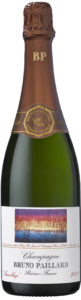
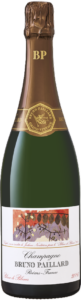
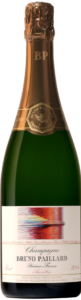
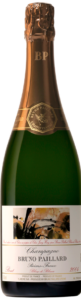
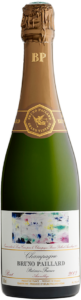
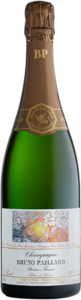
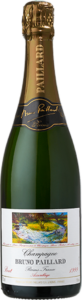
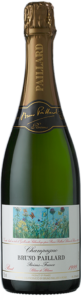
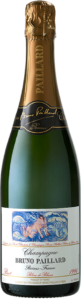
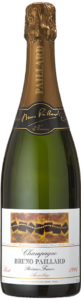
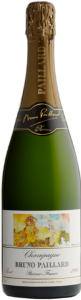
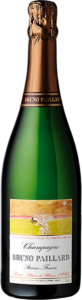
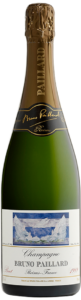
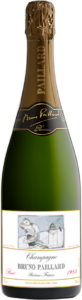
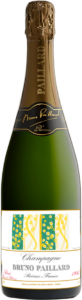
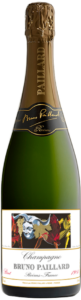
MULTI-VINTAGE CHAMPAGNEs
A TIMELESS STYLE

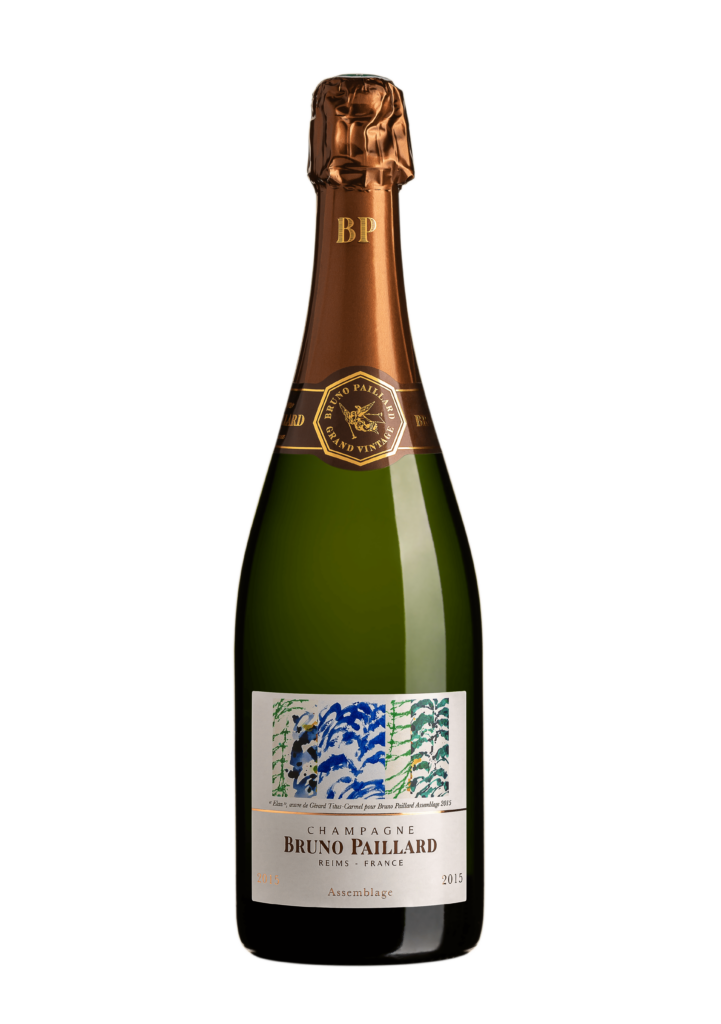
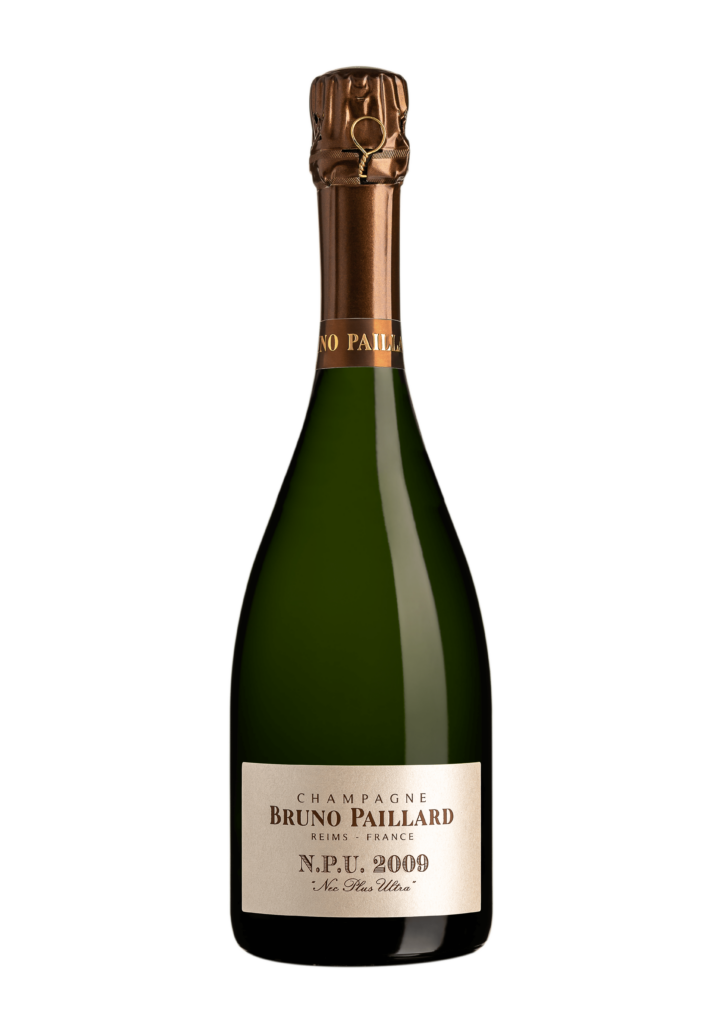

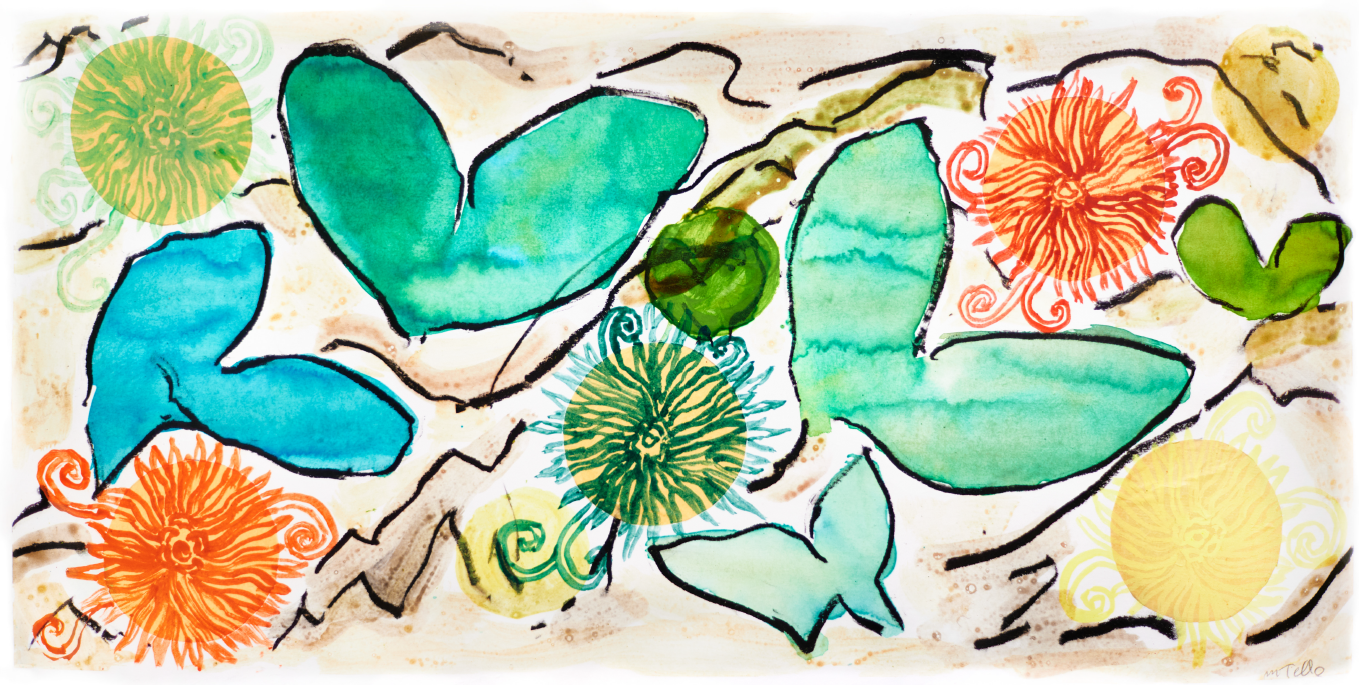

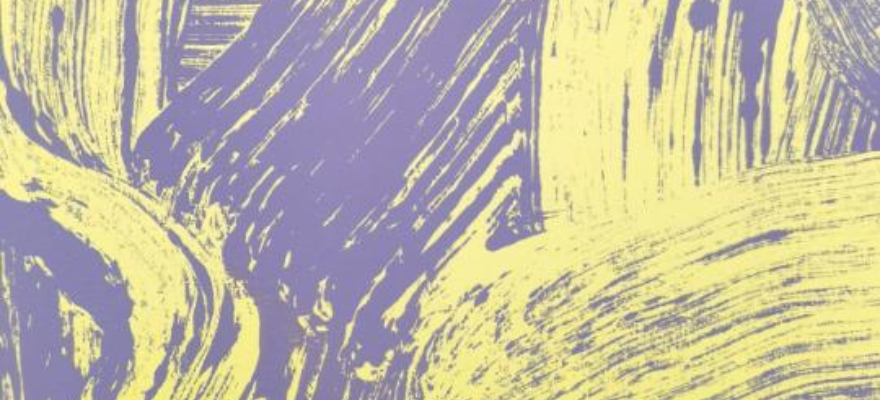
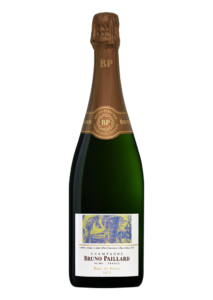
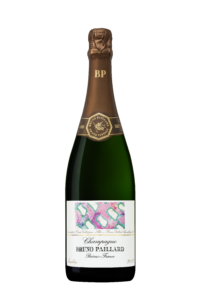
This lively, joyful wine is uninhibited. It is not captive. It is not dominated by one of its components or by a thundering character. It opens up and blossoms perfectly, fully. To illustrate this wine, artist Anne Commet has been commissioned to create a work on the theme of “Liberty”.
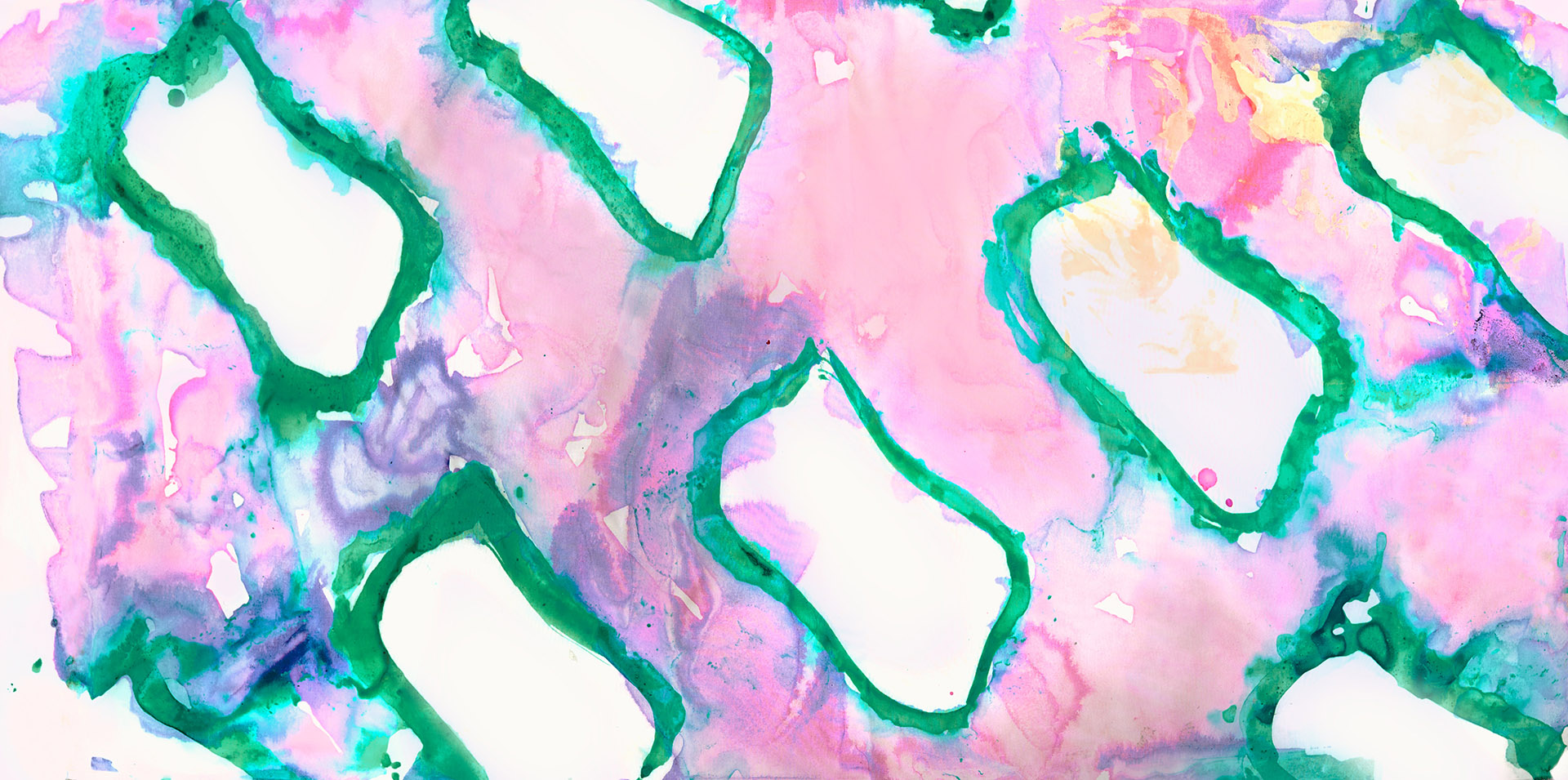
The Sillon theme was born of the deep, concentrated, interior character of this wine. What could be more natural, then, than to turn to a painter who has chosen to constantly, tirelessly, deepen his art and his research, always around the same sign?
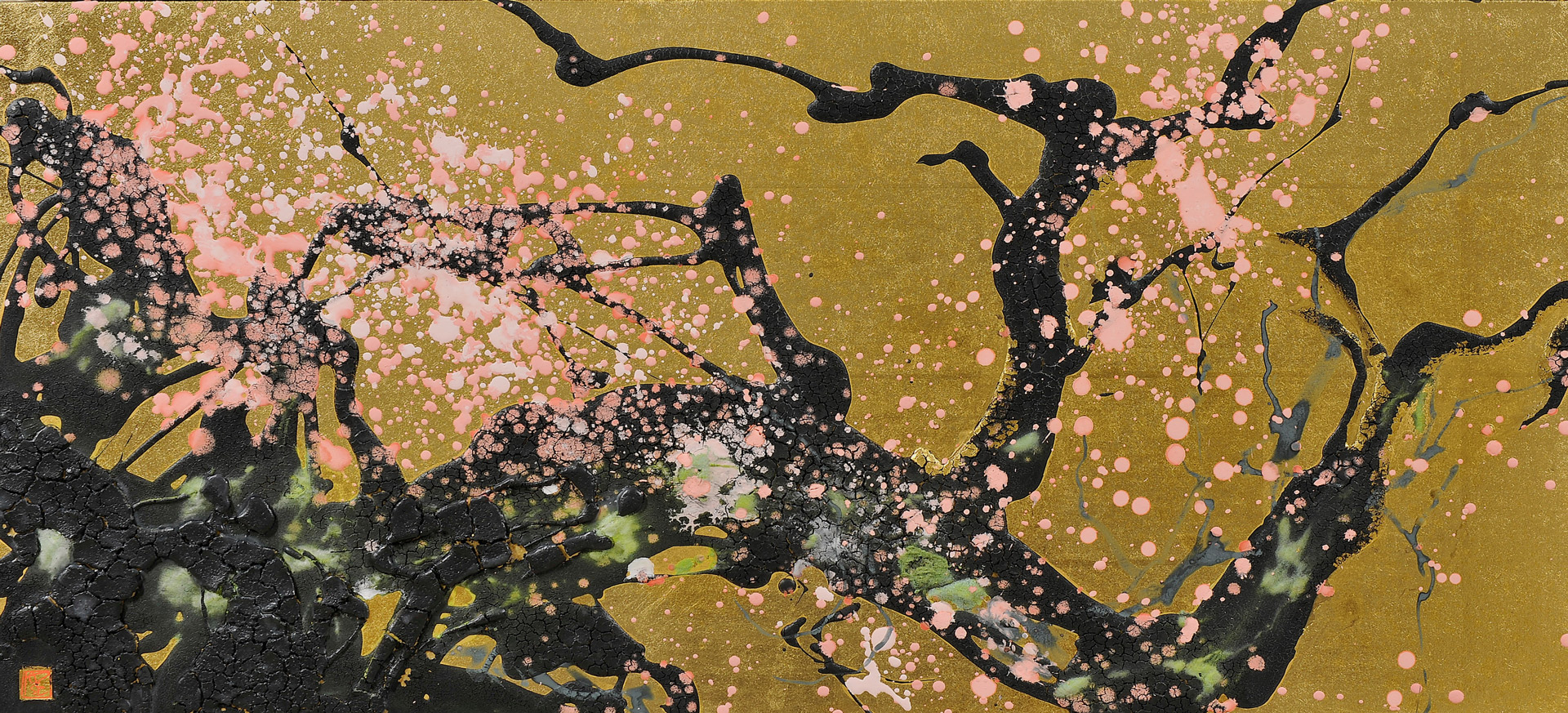
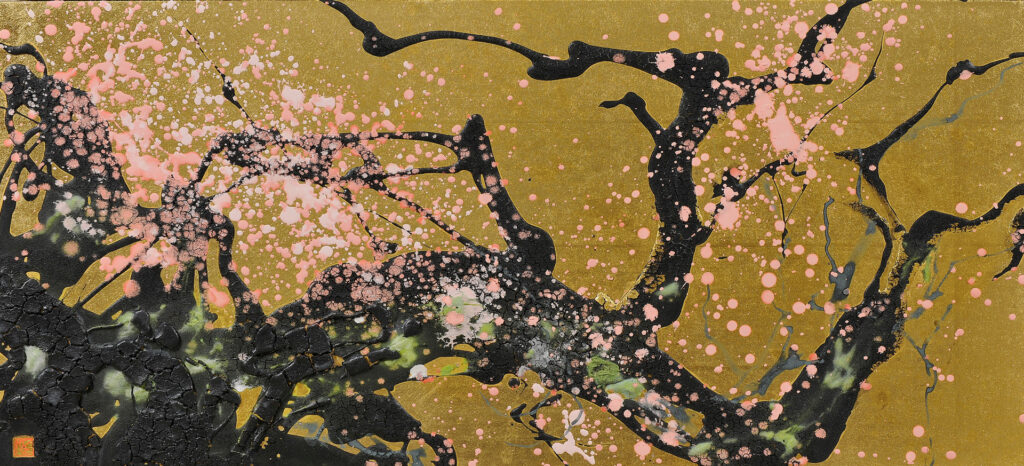
The Japanese painter Takehiko Sugawara illustrated the label on the theme "Where strength marries grace", in coherence with the strength of the climatic contrasts of this vintage and the brilliant quality of the grapes of this great wine.
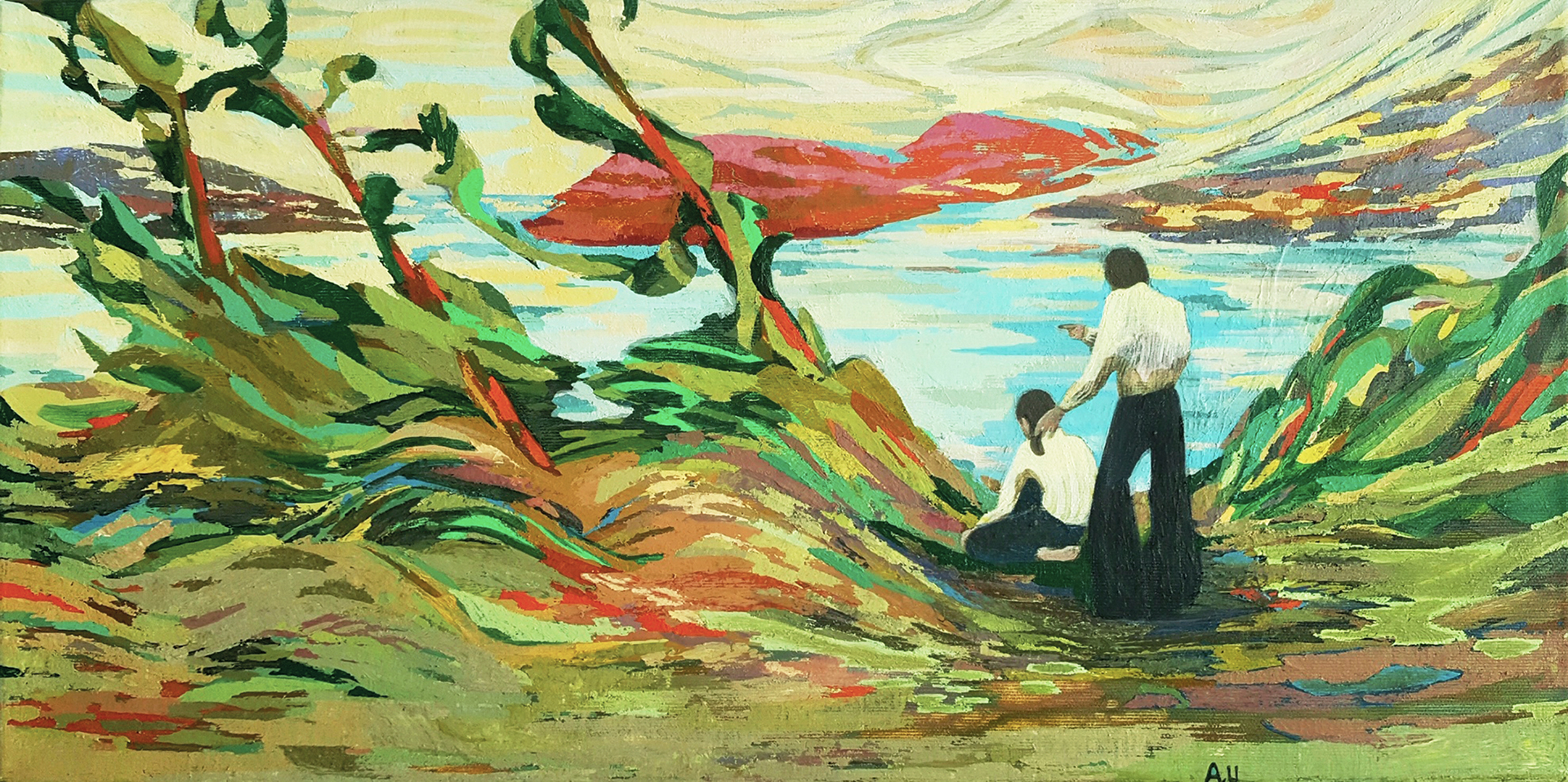
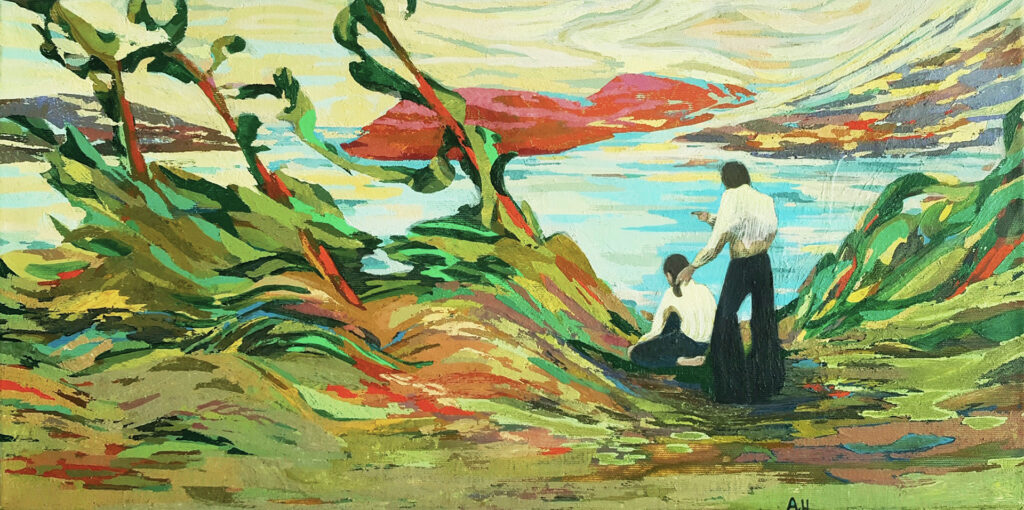
The Swedish painter Anna-Lisa Unkuri has illustrated the label on the theme "Invitation to travel", in coherence with the solar generosity and the evocative perfumes of distant lands of this great wine.
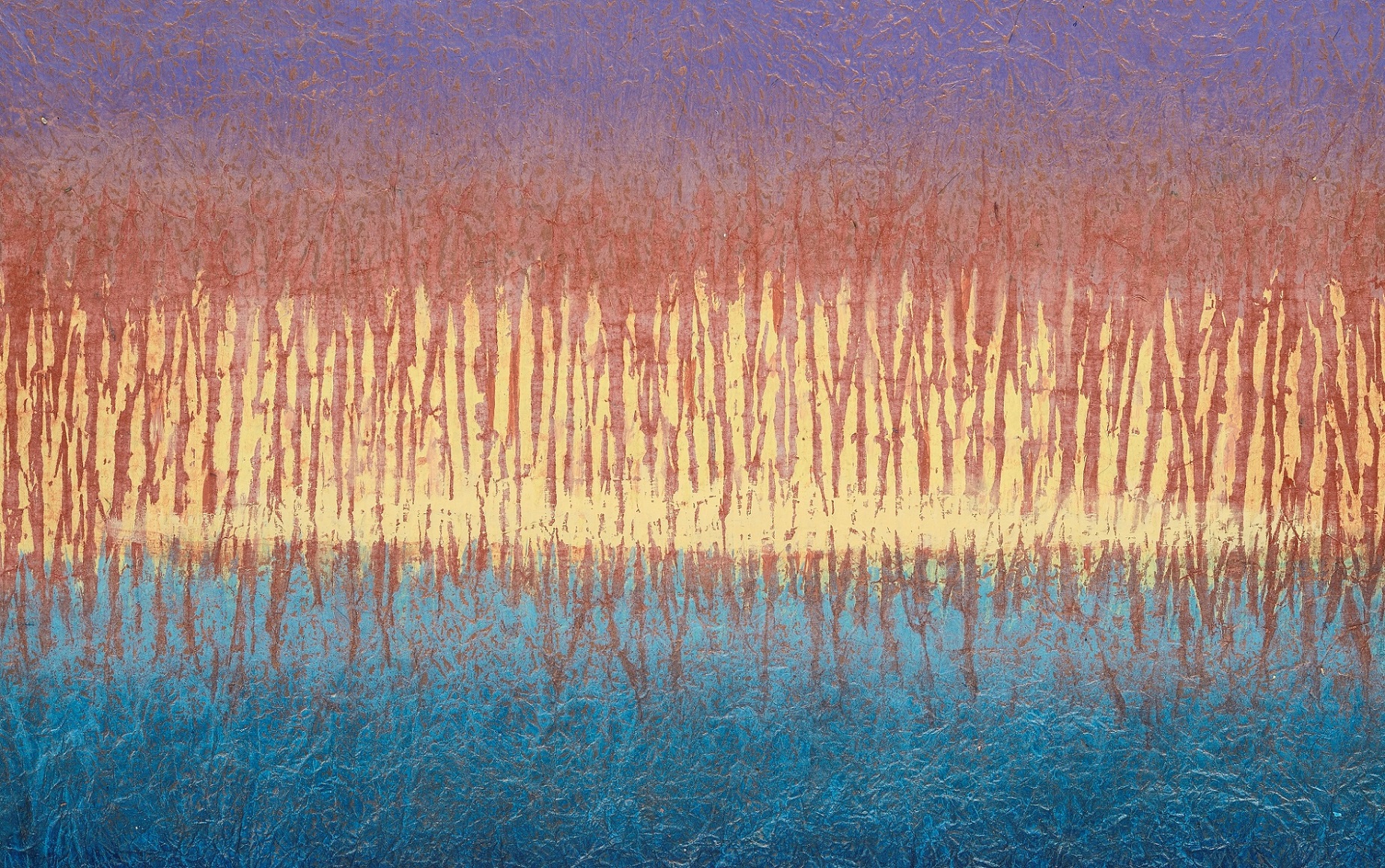
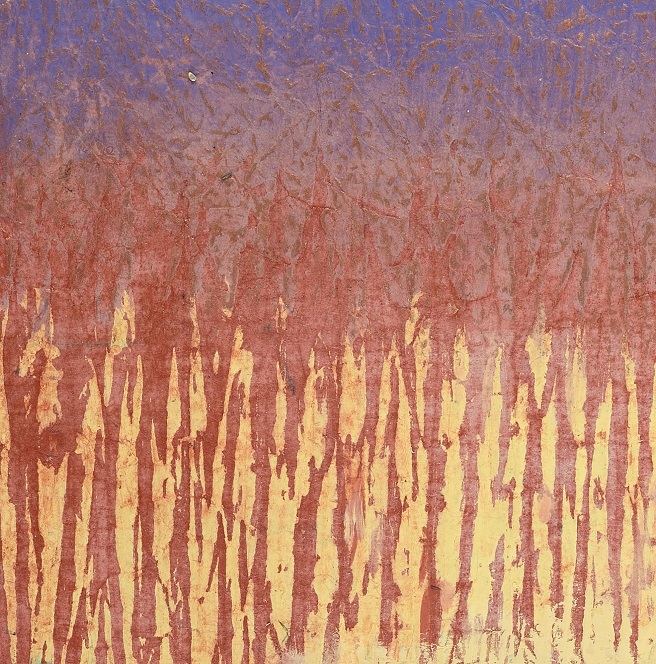
This Brut Assemblage 2008, offers a wide and soft structure, soft, round flavors. Bang Hai Ja illustrated the powerful vitality of this wine on the theme: “Energy.”
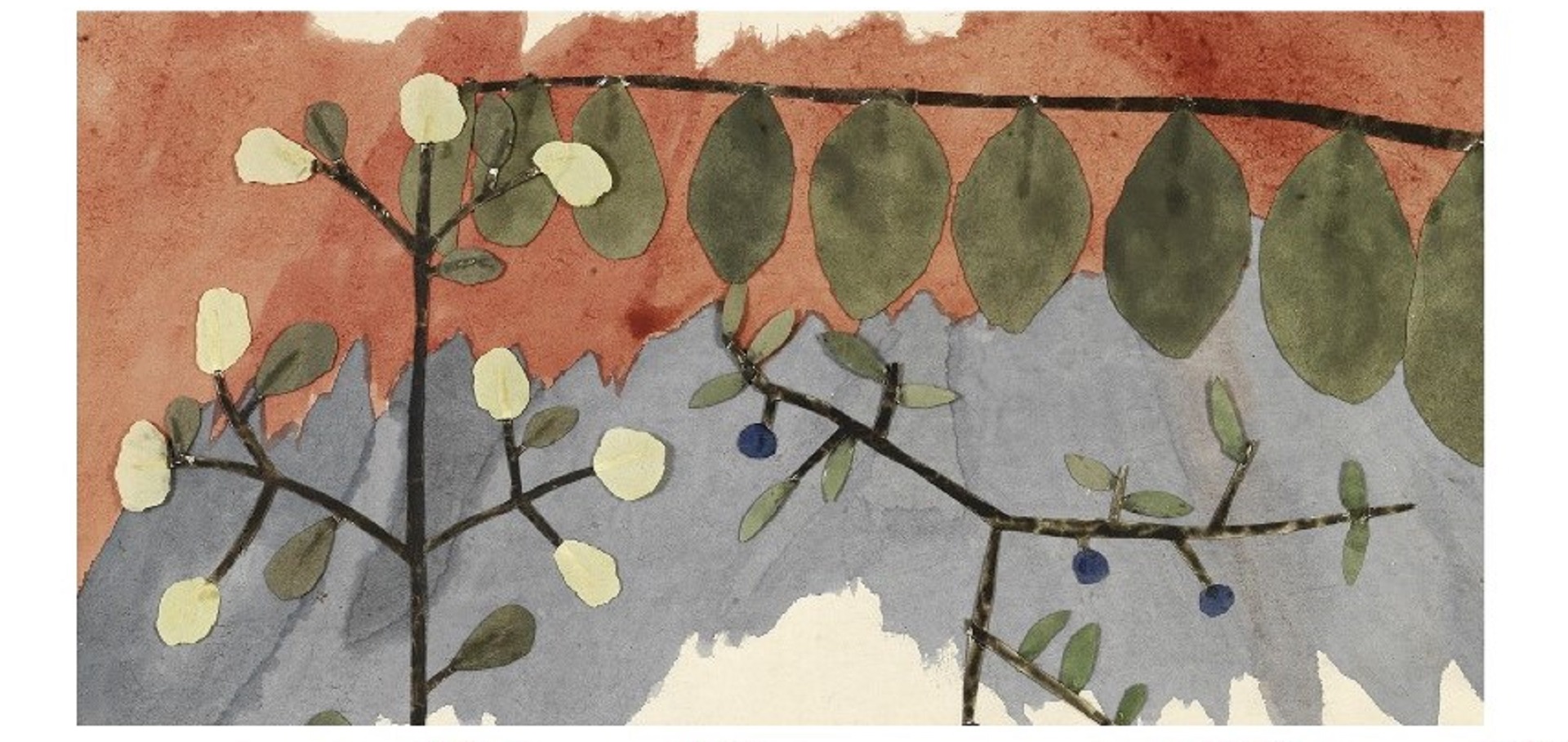
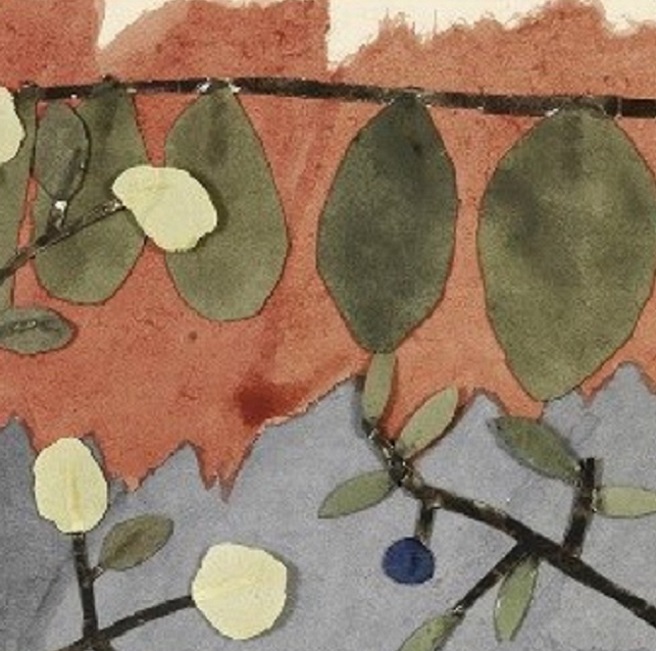
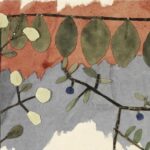
The great Swedish artist Jockum Nordström created a collage/painting for this wine, under the title «Voluptuous». A theme we choose from the generous and round character of this wine.
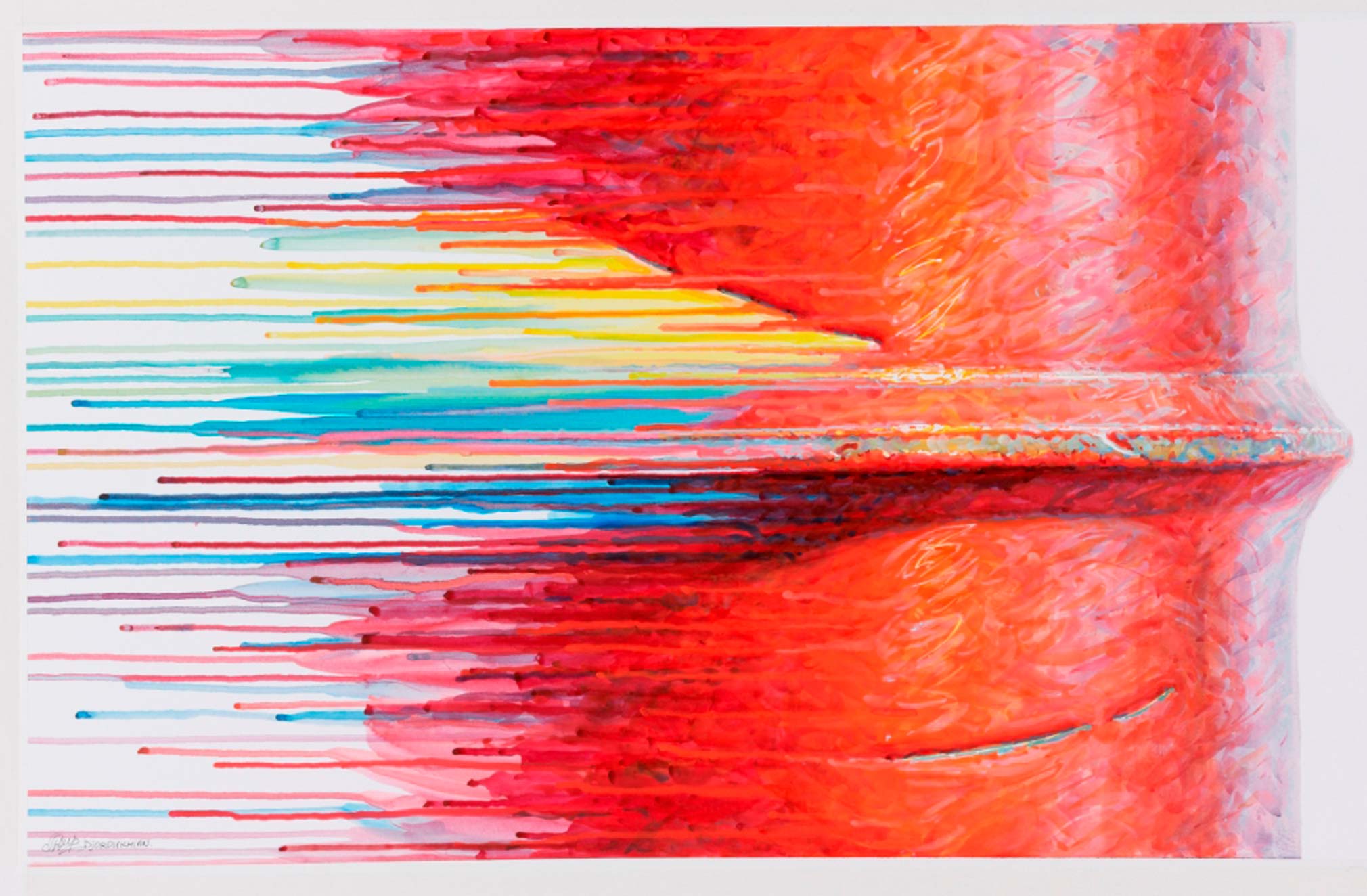
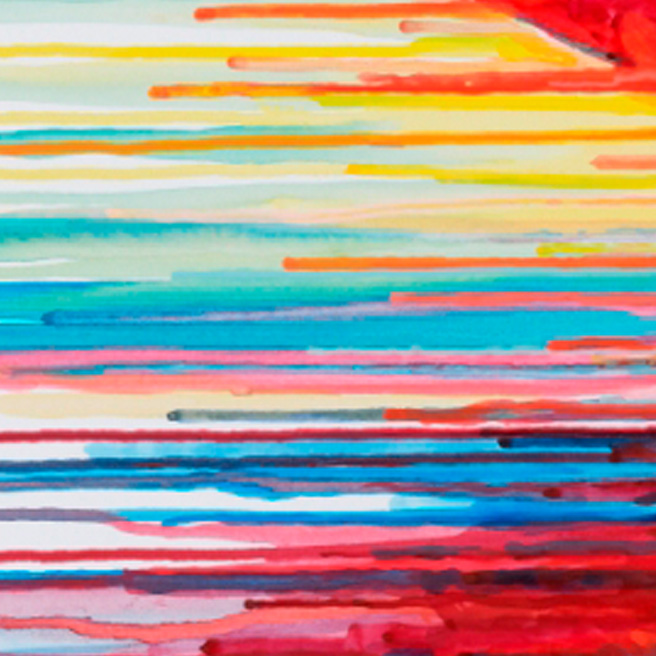
This 2004 Brut Assemblage has a full and generous structure and soft, rounded flavours. Arthur Djoroukhian has visually interpreted the great elegance of this wine as “a harmony and a symphony”.
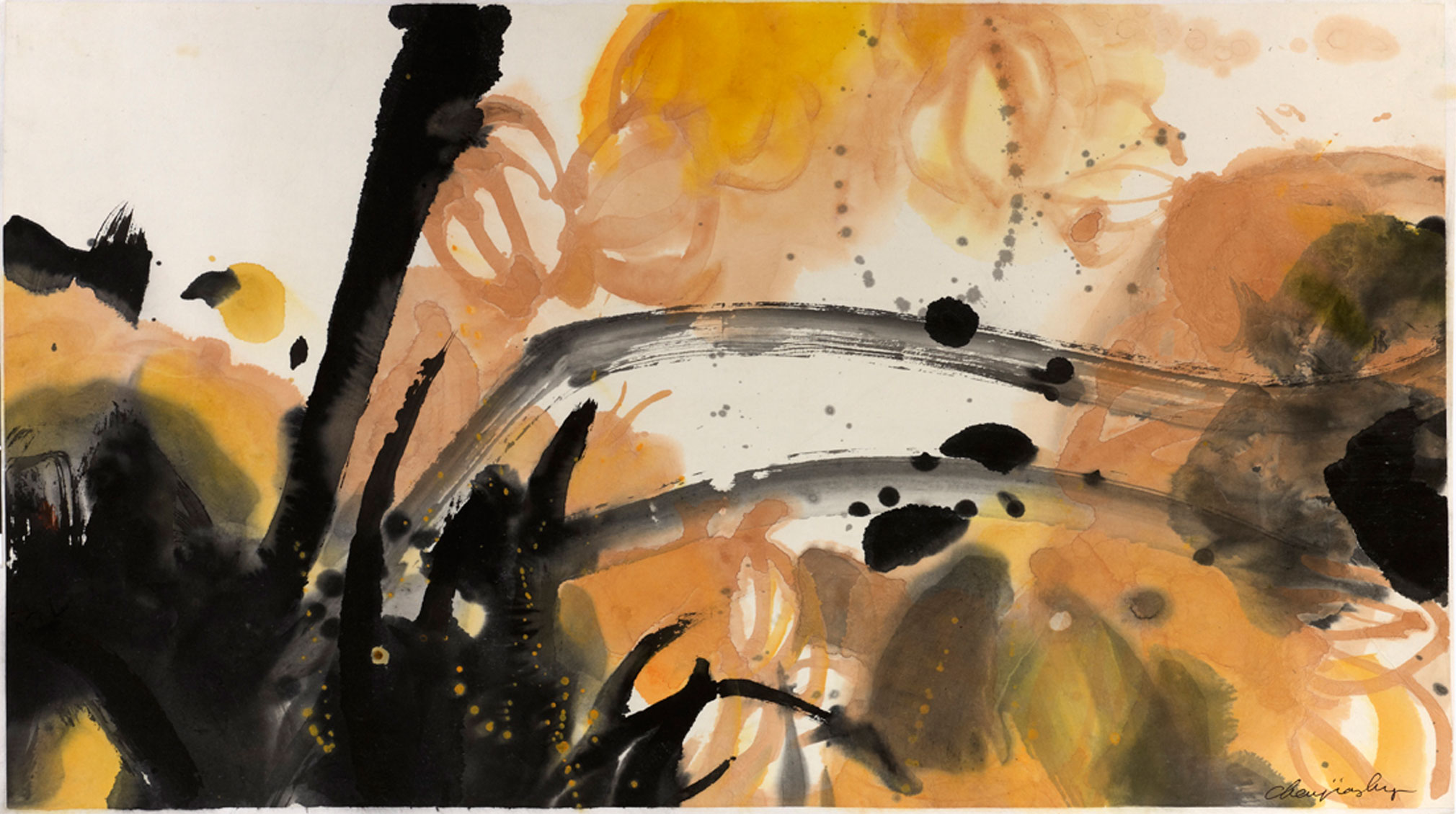
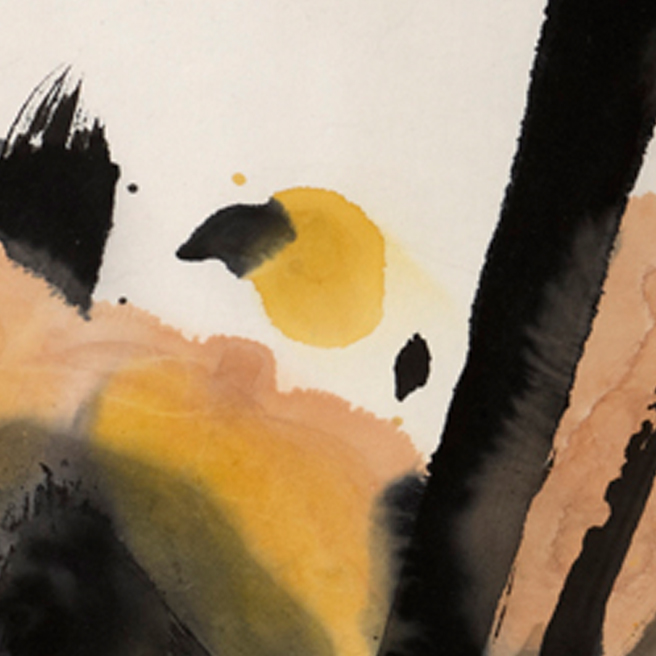
To illustrate this 2004 Blanc de Blancs, Chen Jiang Hong, who specialises in visual storytelling, worked on the theme of “childhood dreams”, inspired by the wine’s lively and rounded nose. The brioche, almond and nutmeg evoke memories of delicious treats.
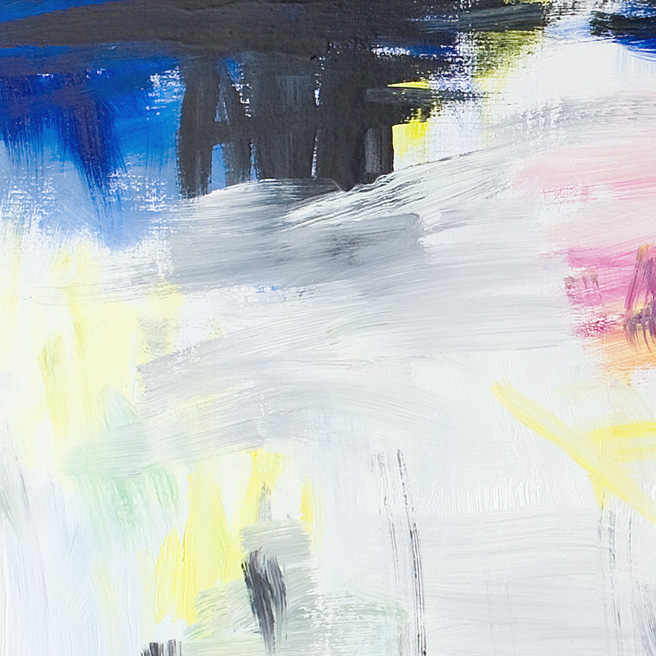
To illustrate the 2002 Brut Assemblage, Louis Cane worked on the theme of water lilies. Inspired by the imagery created by Monet, the multiple reflections in his work radiate colour and convey the wine’s energy.
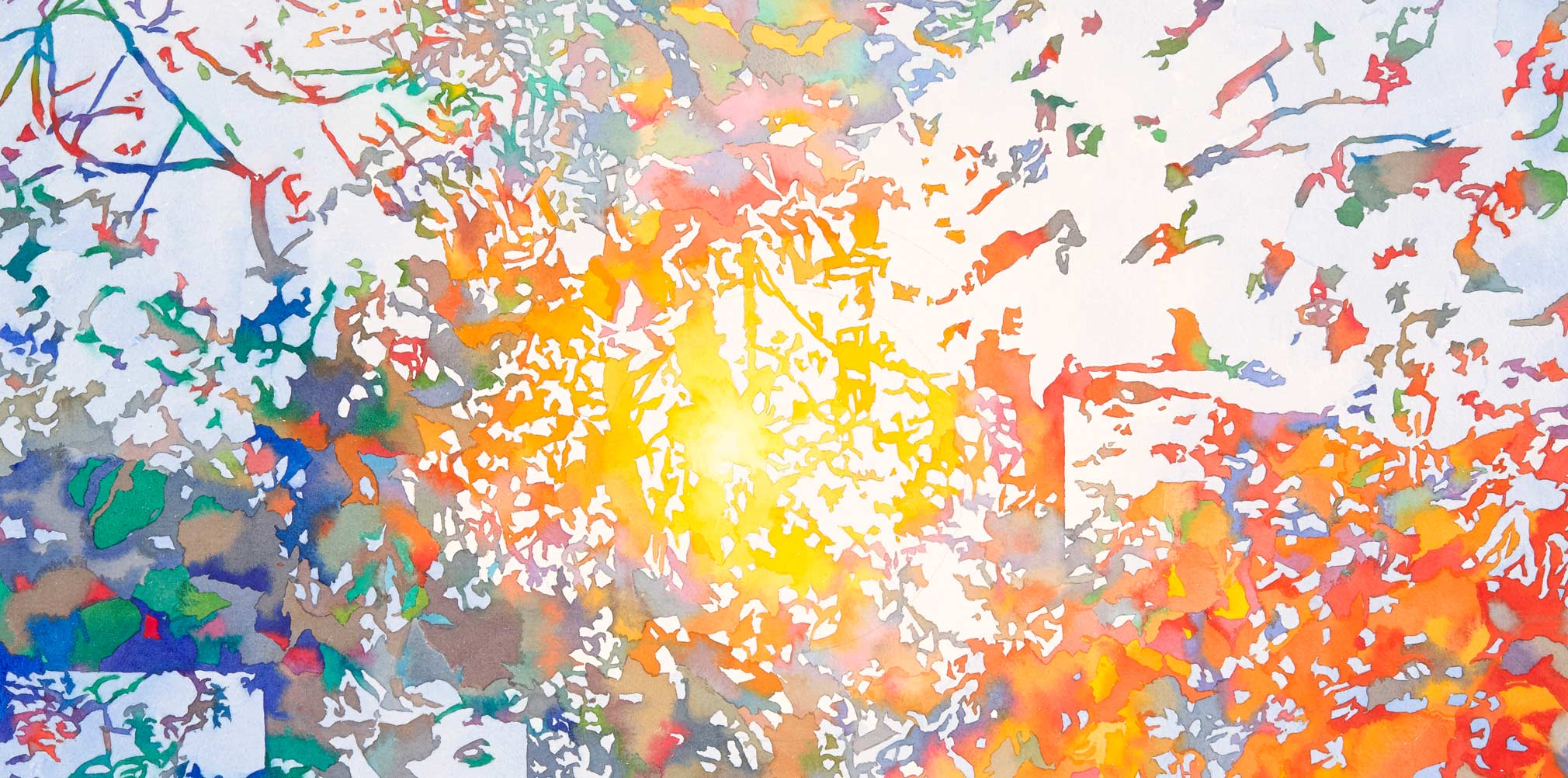
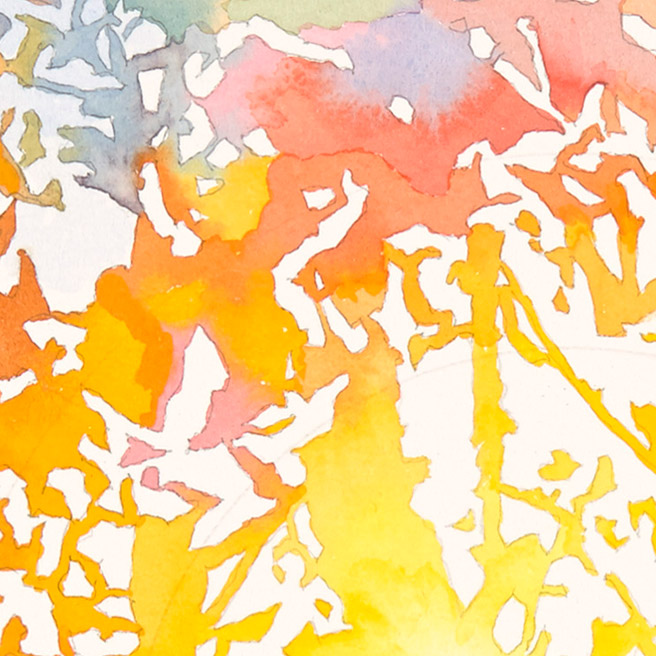
2002 was a relatively dry and warm year, with a constant heat, which in contrast to a temperate summer, allowed the grapes to ripen evenly. The low yields concentrated the aromas in the grapes, hence the theme of “floral ascent”.
The wine also has such a clear sense of verticality and vitality, that movement became an essential part of the theme.
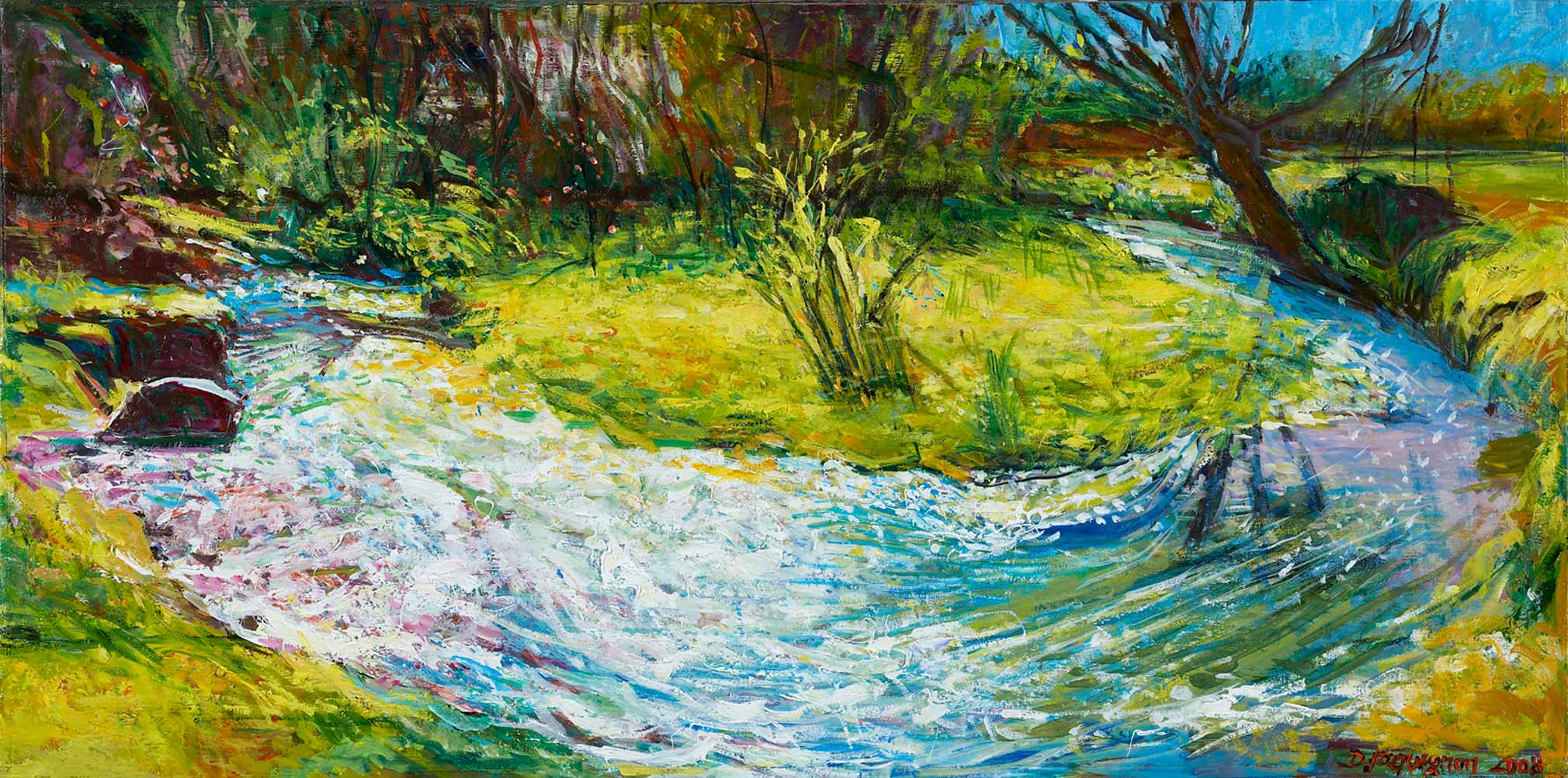
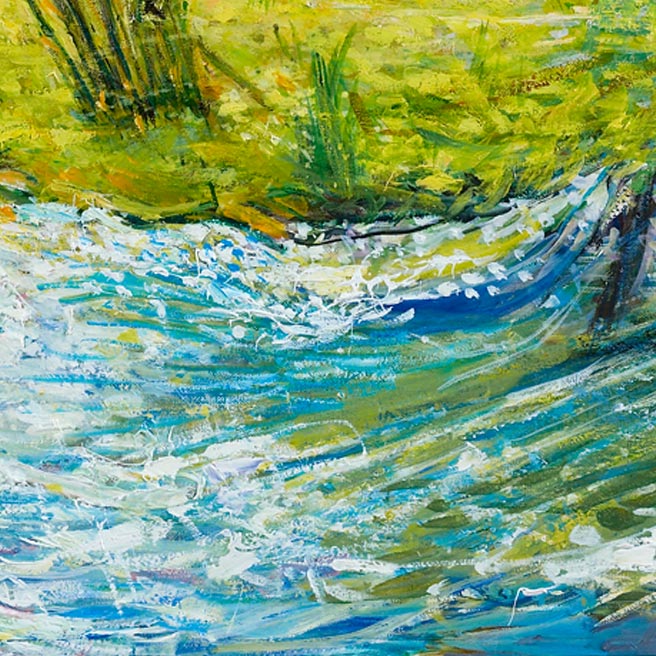
A lively interpretation full of contrasting reflections and movement, which is apt for the 1999 brut vintage, Didier Paquignon accurately illustrates the theme of “turbulence, flamboyance and warmth”.
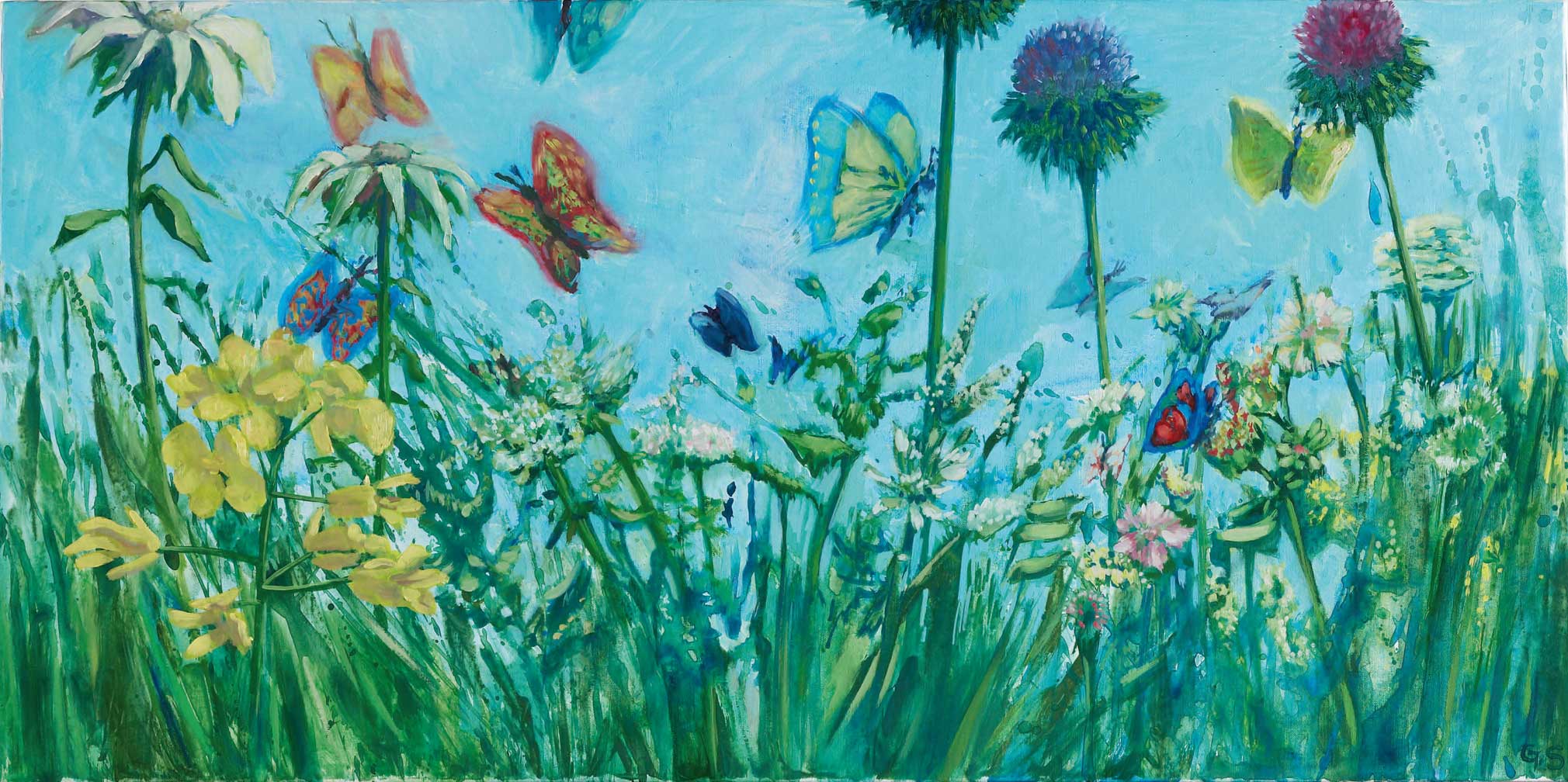
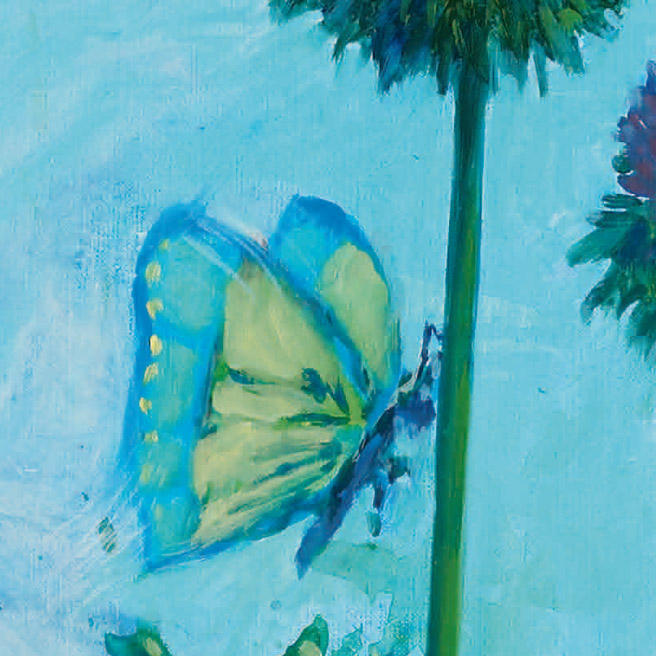
This 1999 Blanc de Blancs has a strong effervescence in spite of the fine bubbles. On the palate, the liveliness is still very noticeable. Guillemette Schlumberger has conveyed this in her theme of “vibrancy”.
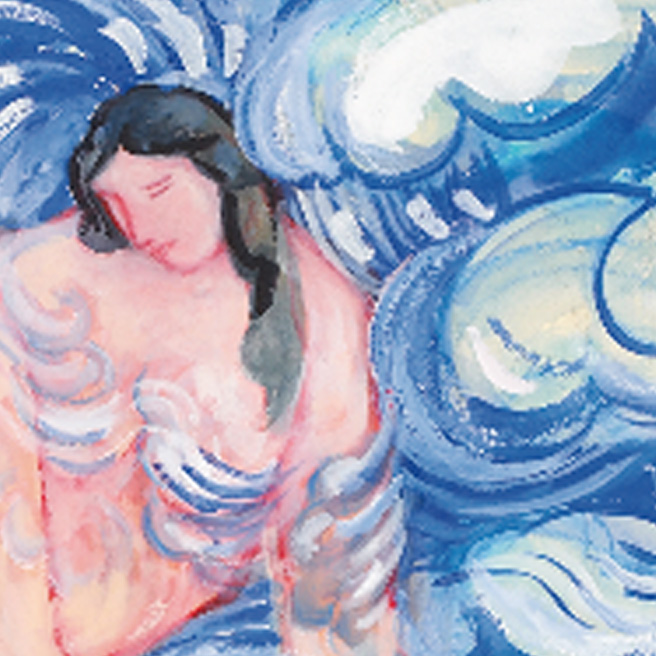
The 1996 Blanc de Blancs promises openness and exceptional expressiveness. The theme of “depth” reflects the greater density and remarkable intensity of the vintage, and is illustrated by an image of all-enveloping rolling waves.
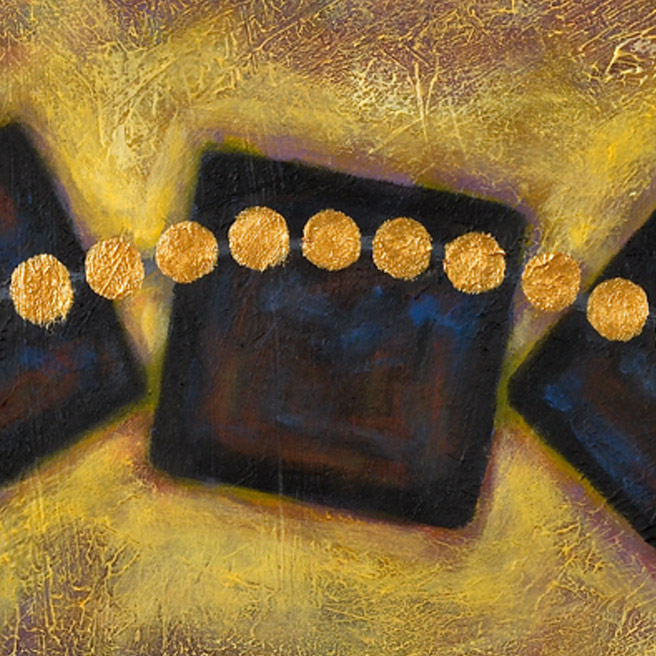
This wine has an astonishing maturity, great vinosity and extremely high acidity. By ageing it for more than 10 years in the cellar, the house has given the wine a velvety texture. Paola Marchesi has ilustrated the structure using sharp-edged diamonds, and the texture using bubbles.
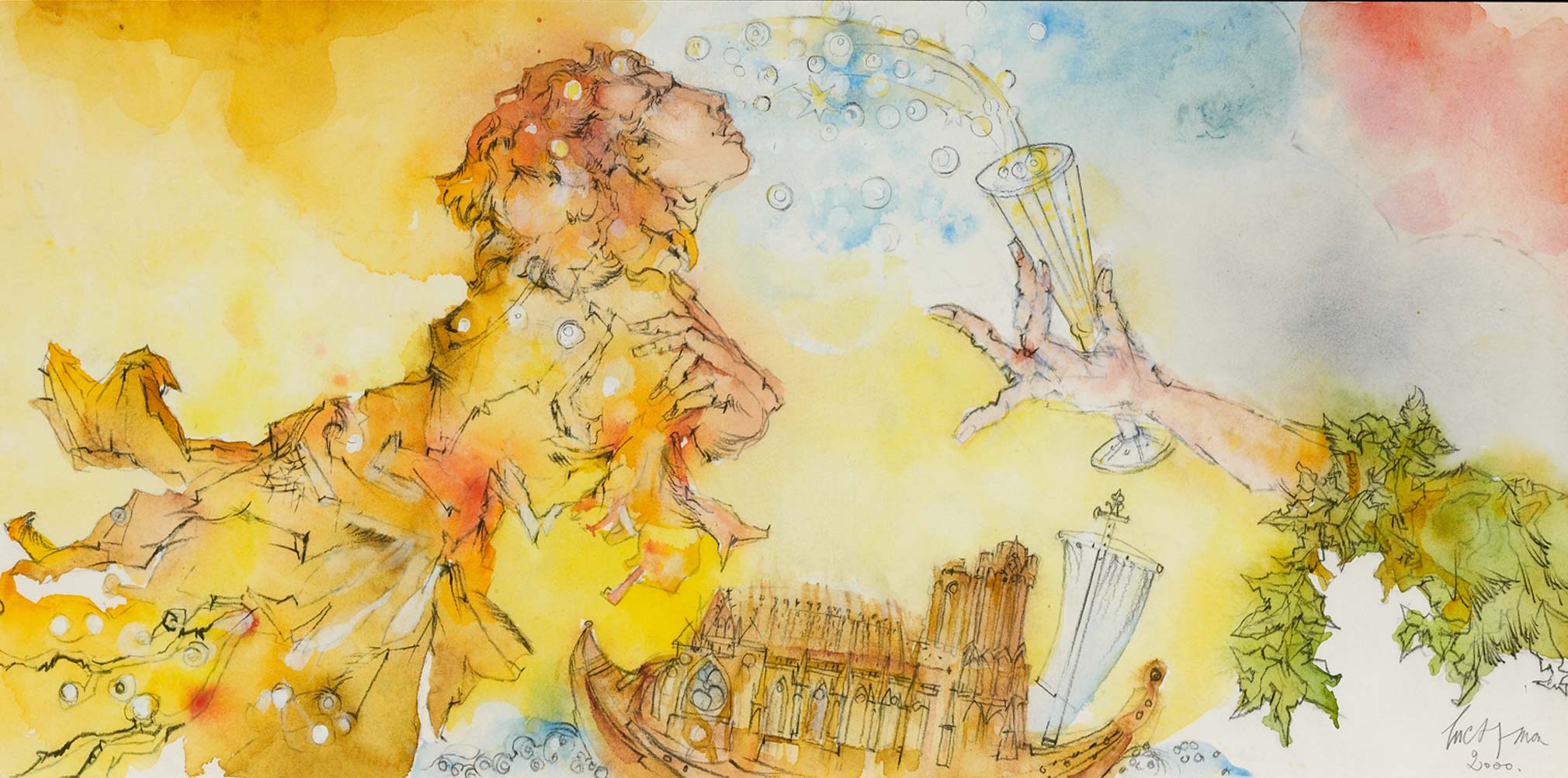
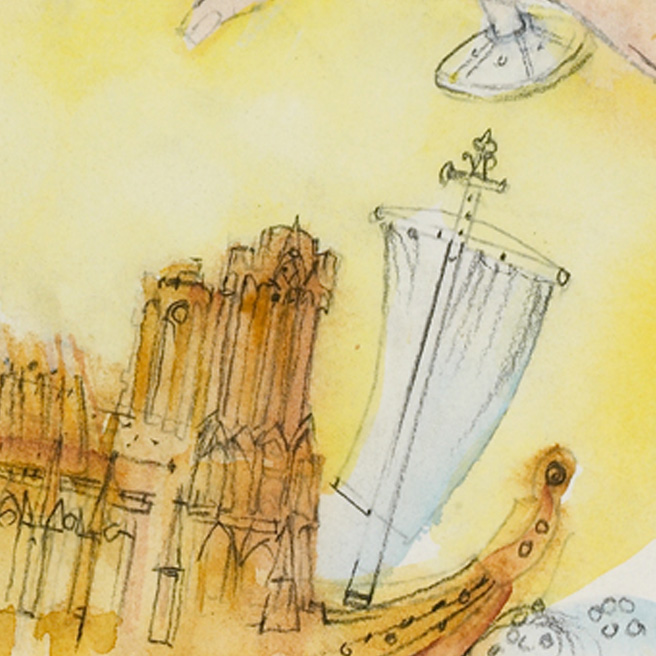
This smooth-drinking champagne is silky on the palate and an experience for all the senses. “Love” seemed like a natural theme to evoke the almost incandescent character of this vintage. This was the first assemblage to include the Meunier grape variety, which is what provides the silky texture. In his painting of a woman with blazing red hair, her body wrapped in vines, Luc Simon captures the passionate character of the wine beautifully. The artist’s regional roots are also reflected in the work, with Reims cathedral at its centre, and bubbles leaping from a Champagne glass on the right of the painting.
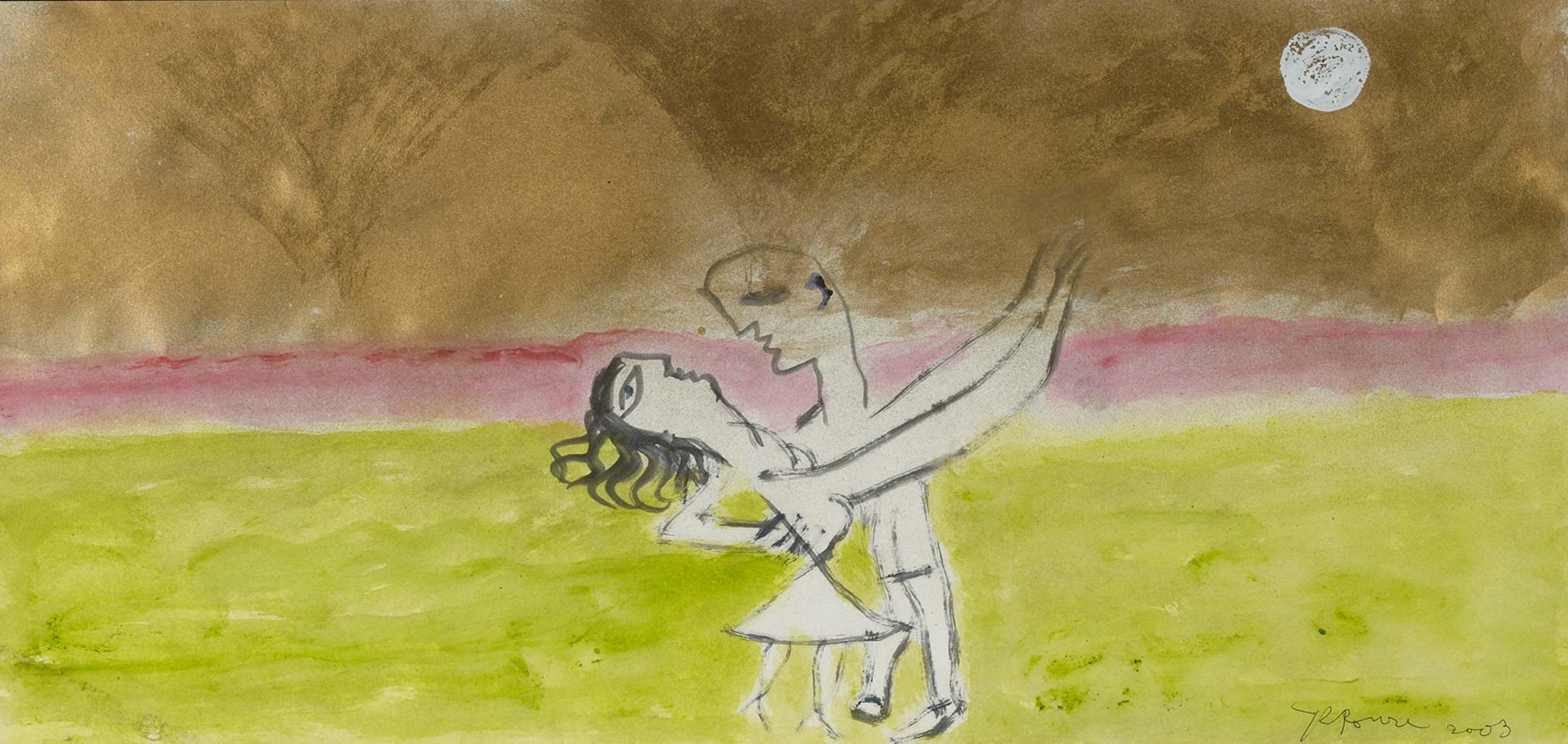
There is a sense of harmony in the 1995 Blanc de Blancs. The well-rounded maturity was interpreted by Roland Roure as “balance and fullness”. It is a playful painting featuring a swirling couple of marionettes happily embracing in perfect harmony.
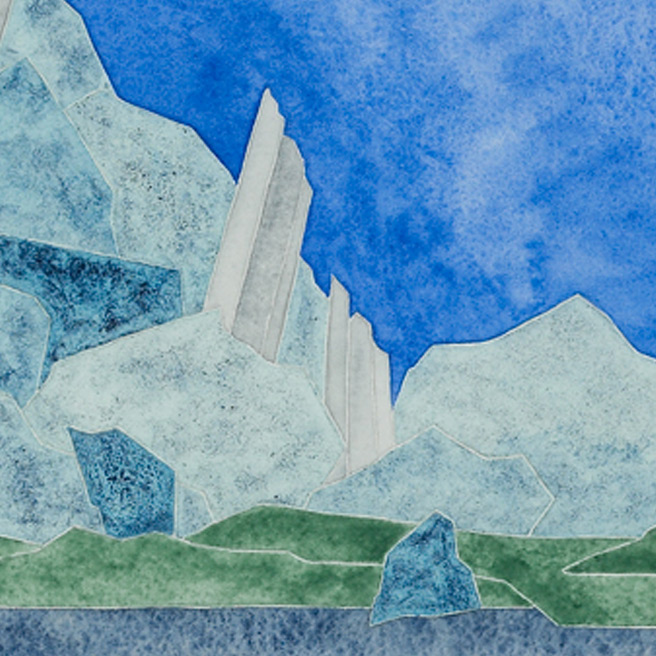
The 1989 Assemblage may have lacked a little acidity, but showed more flexibility and fullness, hence the theme. In Marq’s work, there is a sense of magnitude in the impressive minerality, almost tectonic in its invasion of the foreground. In a more subtle touch, flexibility is symbolised by the bird in flight, which the viewer sees outlined in the sky.
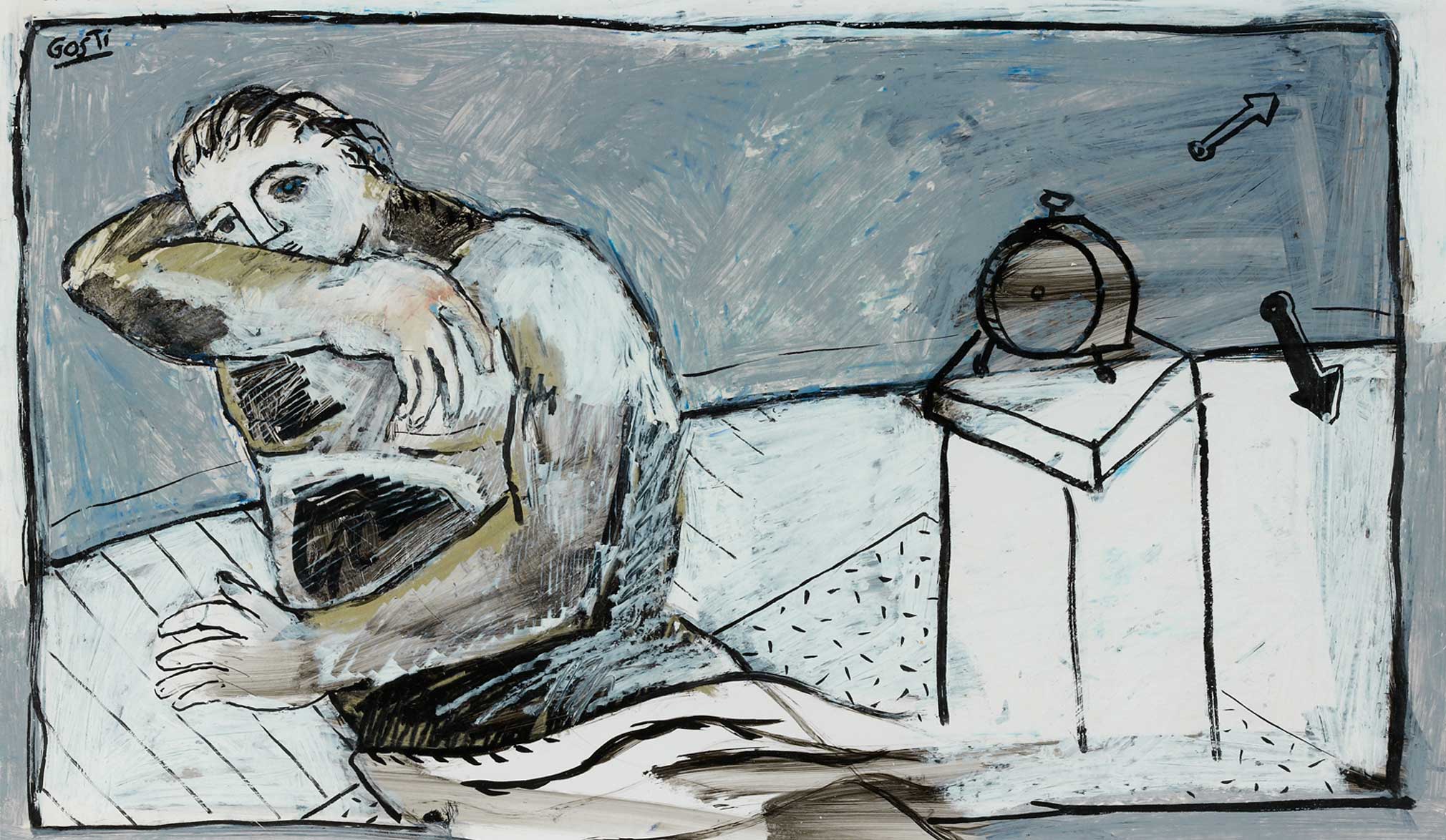
Rapid ageing and good acidity conspired to make 1985’s wines truly exquisite. This 1985 vintage was elegant, lively, well-rounded and impressive, even at a young age. At the time, we were asking ourselves how it would change over time. In his work, Gosti conveys the potential longevity of the wine, portraying a man who turns his back on time as represented by a racing clock.
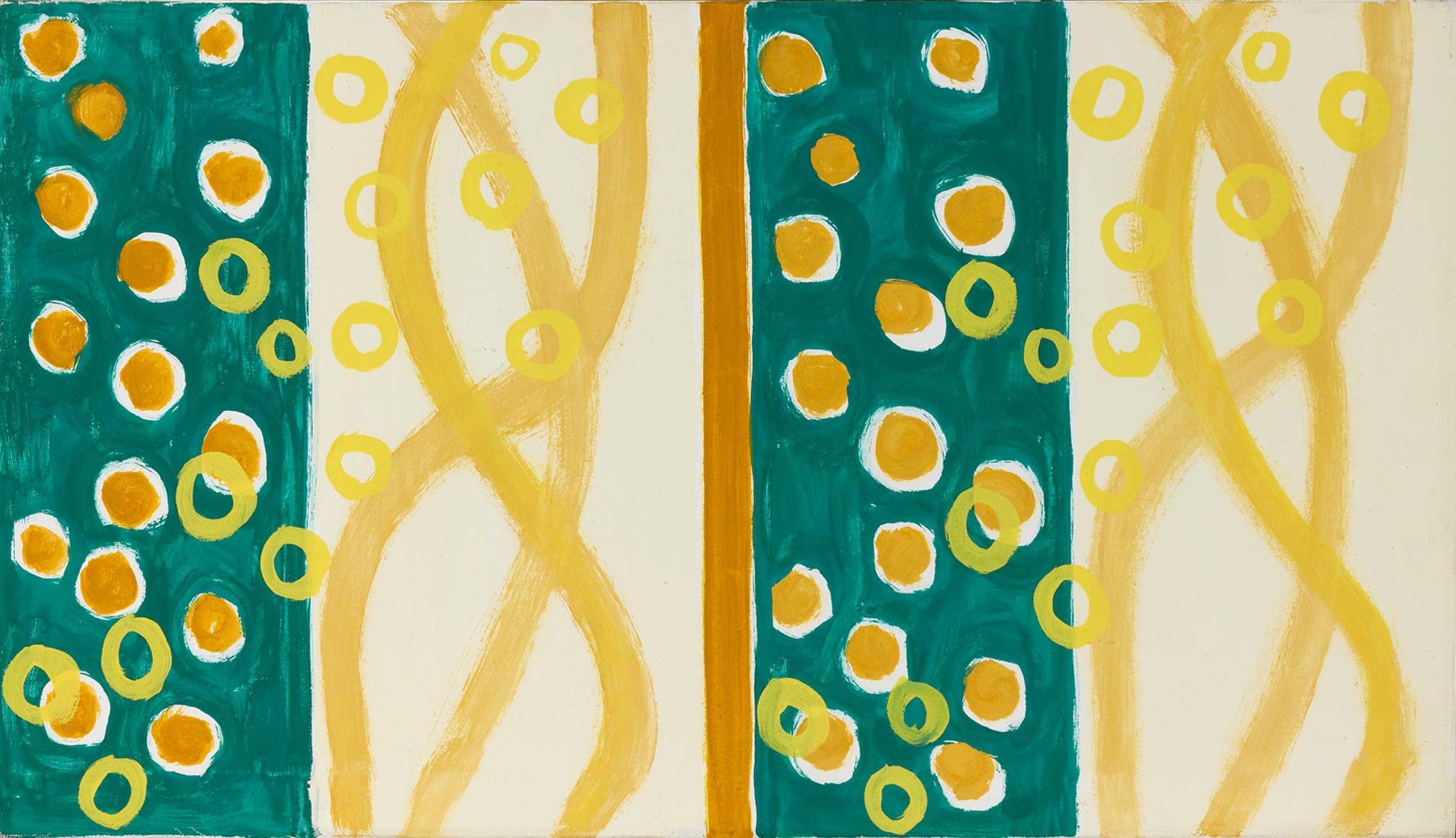
This 1983 blanc de blancs is characterised by its strong citrus minerality, freshness and liveliness, all of which create a wine of immense purity. Piffaretti became interested in the bubbles during his work. The gold, yellow and green colours found in the blanc de blancs are finely observed. The picture is repeated and each part is divided in two, conveying a sense of balance.
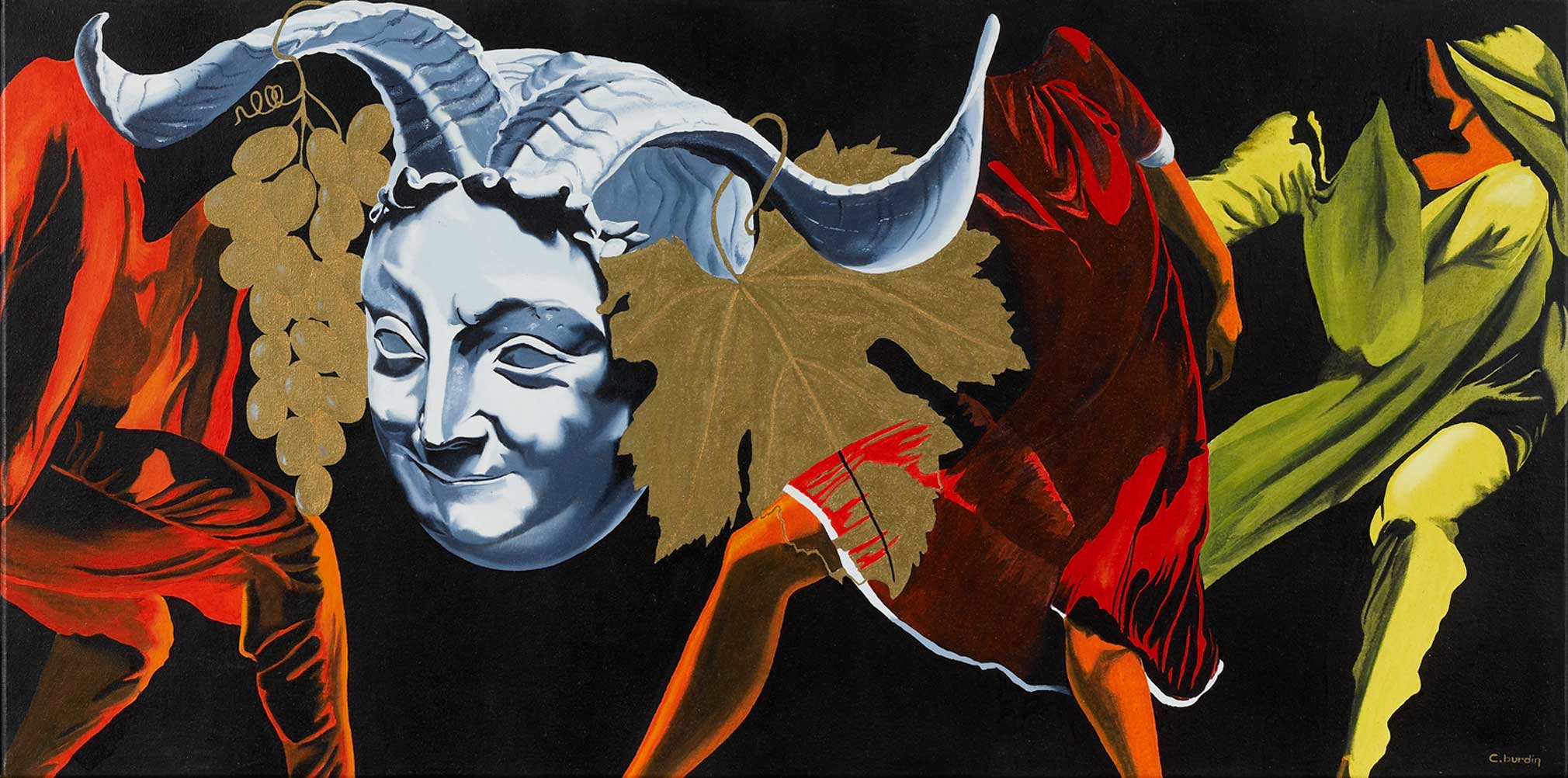
1981 was a year of small harvests, when pinot noir appeared to be more successful than chardonnay. This dominant pinot noir reflects the strength and richness of 1973. When aged, it becomes a very expressive wine with strong minerality and fruitiness. This is why the theme of “exuberance” was selected. Burdin portrays a colourful sarabande dance on a black background. The movement in the painting conveys a sense of power. We find a perfect osmosis between the artist and the champagne, signalling a wine with a strong personality, and one that is open to many different interpretations.
Blanc de Blancs
2014
par Monique Tello
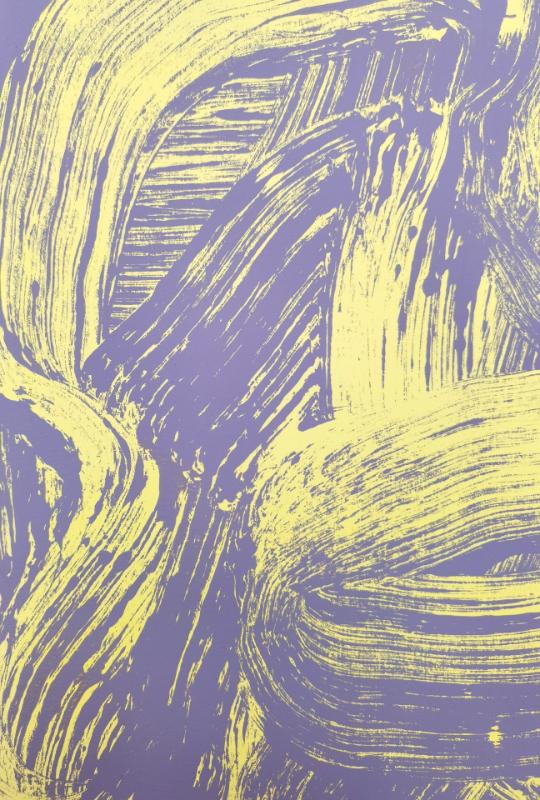
Blanc de Blancs
2013
par Anne Commet
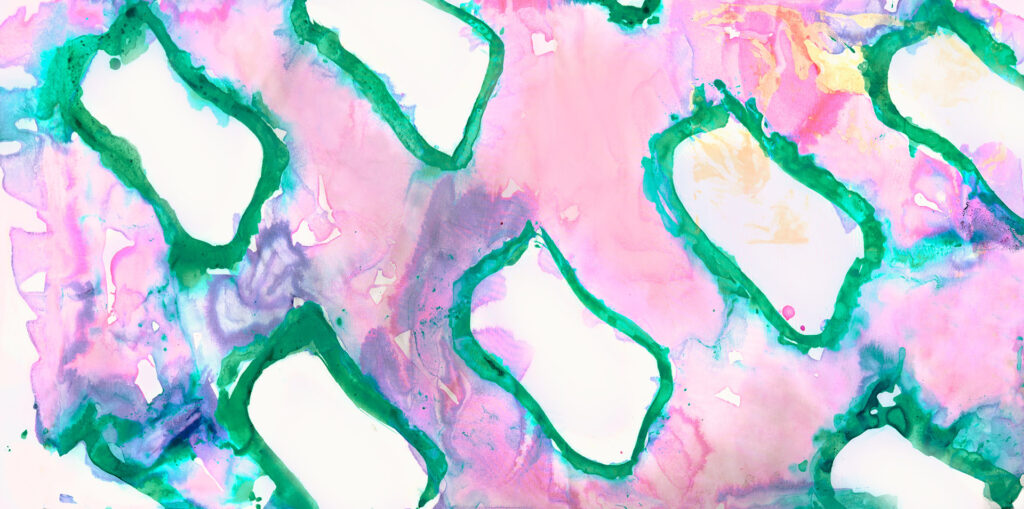
Assemblage (blending)
2012
by Claude Viallat
Blanc de Blancs
2012
by Takehiko Sugawara
Assemblage (blending)
2009
by Anna-Lisa Unkuri
Assemblage (blending)
2008
by Bang Hai Ja
Blanc de Blancs
2006
by Jockum Nordström
Assemblage (blending)
2004
by Arthur Djoroukhian
Blanc de Blancs
2004
by Chen Jiang Hong
Assemblage (blending)
2002
by Louis Cane
Blanc de Blancs
2002
by Jean Paul Agosti
Assemblage (blending)
1999
by Didier Paquignon
Blanc de Blancs
1999
by Guillemette Schlumberger
Blanc de Blancs
1996
by Sandro Chia
Assemblage (blending)
1996
by Paola Marchesi
Assemblage (blending)
1995
by Luc Simon
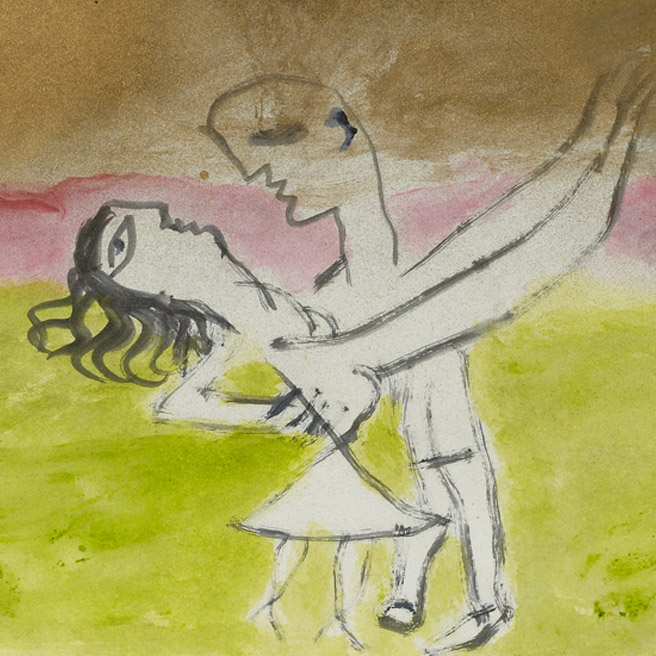
Blanc de Blancs
1995
by Roland Roure
Assemblage (blending)
1989
by Benoît Marq
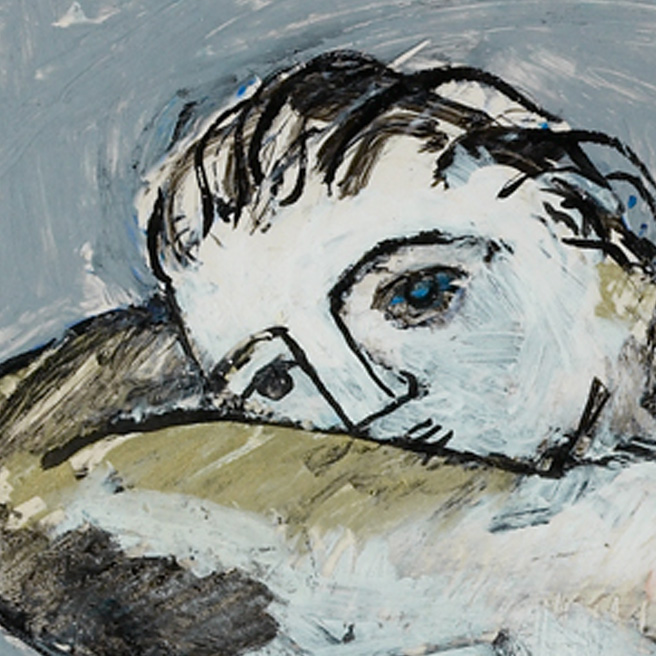
Assemblage (blending)
1985
by Jean-Yves Gosti
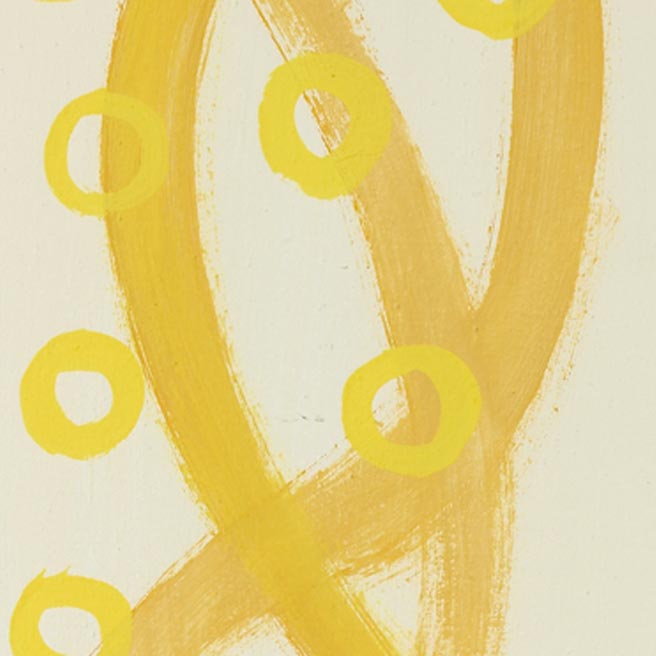
1983
by Bernard Piffaretti
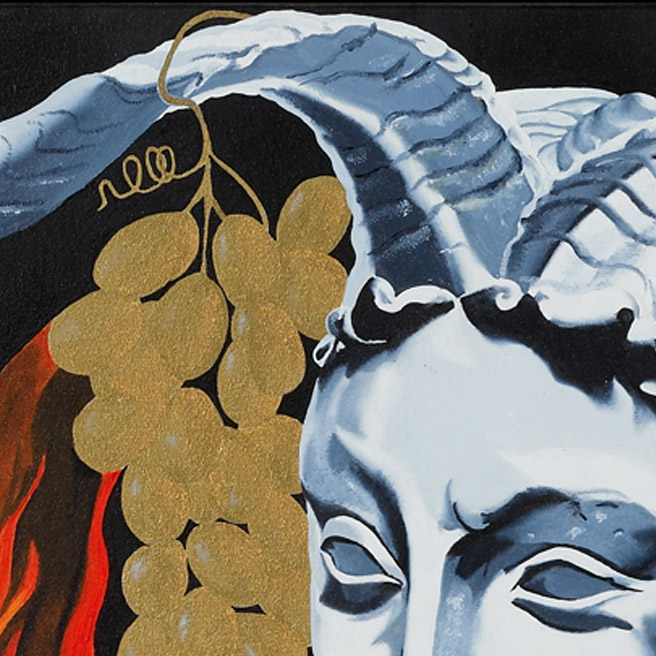
Blanc de Noirs
1981
by Christine Burdin
To view this website you must be of legal drinking age within your country of residence. If no such laws exist in your country you have to be over 18 to visit our website.

I accept the terms and conditions of this site


Alcohol abuse is dangerous for your health, consume with moderation. Legal Notice. Privacy policy.